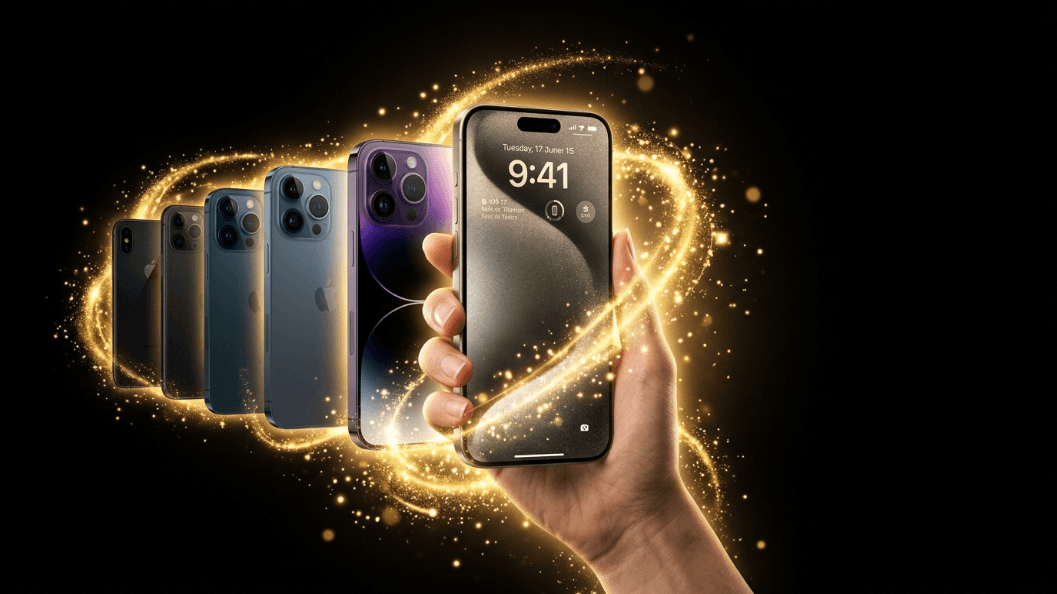
Why is it that every time Apple launchs a new Iphone – even the upgrades is ‘nothing special’ compared to the previous model – hundreds of people still queuing over 10 hours just to be the first to own one?
The answer isn’t just about a faster chip or a better camera. Behind Apple’s unmatched success lies a sophisticated marketing architecture and a brand positioning strategy so powerful that it transcends technology.

How Apple ‘manipulated’ their brand reputation?
Apple does not sell product, they sell a satisfaction and statue symbol. Through their ‘luxury illusion’ strategy, they have driven a widespread belief that product with high-price tags equate to superior quality and craftsmanship – even the products don’t change that much. Apple set their product at a high price to sort their clients which limits the approachability to only people with a high income. As a result, this creates a statue complement with their product because of the illusion of scarcity, enhance their brand reputation as luxury and opulent.
The Psychology Behind Apple’s Hype: Engineering FOMO.
Since, Apple widely as a luxury technology brand, owning the newest phone unconciously associated with wealth and status among their peer. Apple leverage this perception as a main component to apply the crowd psychology effect, which known as Fear of missing out.
Example: within a friend group where everyone own a newest Iphone, this product becomes the proof of a social status. Those dont upgrade may being left behind among the friend group, especially in friend groups where status quietly shapes how people see each other.
Apple’s FOMO is uniquely effective because it is driven not only by a sense of urgency but also by the desire to keep up with a shared social norm.
The Invisible Network Behind Every Product.
Apple launched the first iPhone in 2007, creating a leap in technology. After the success of the first iPhone, Apple started to build an ecosystem; they created the App Store, which acts as a launch pad for the growth of their ecosystem. From iPhone to iPad, the first stage of multi-devices transformed the iPhone from a standalone device into the center of a growing ecosystem surrounding itself.

Apple’s ecosystem is not just about having multiple devices for each purpose; they support each other. For instance, the Apple Pencil is a complementary product when using the iPad, helping users write and turn the iPad into a notebook. Similarly, AirPods are used with other products. Not only do physical products work together, but Apple also fabricates a seamless integration like AirDrop or iCloud, linking each device together within the Apple ecosystem, reinforcing their connection to work better.
What happens if everything works well together? When users start to become accustomed to Apple’s ecosystem and rely on this convenience, the cost of changing increases. New products outside this ecosystem make the process of using them worse. Apple doesn’t hold customers by becoming affordable; they keep them by their familiar experience. The more devices customers own, the harder it is for them to leave this ecosystem.
Apple’s Ecosystem: Where Perception Multiplies
From the immense success of the iPod, the ‘halo’ effect boosted sales for the MacBook and paved the way for the success of the iPhone and iPad. Users tend to trust new products based on the success of previous products, which is known as the halo effect. This effect builds credibility with customers, leading them to do less research and make fewer comparisons with other products.
As a result, their purchasing decisions become faster and more instinctive because they trust the brand. This reduces the need for independent evaluation, allowing Apple to introduce new products with significantly less resistance, as trust has already been established before the product is even experienced.
In conclusion, the success of Apple is not driven by a single product but a coordination of an entire ecosystem. Apple competes with other technology brands through a system of psychology embedded within that ecosystem. They shape how consumers perceive the brand and make decisions. Apple doesn’t just sell products — it shapes the way people think about buying them.